Watts Gallery Exhibition: The Pattle Sisters

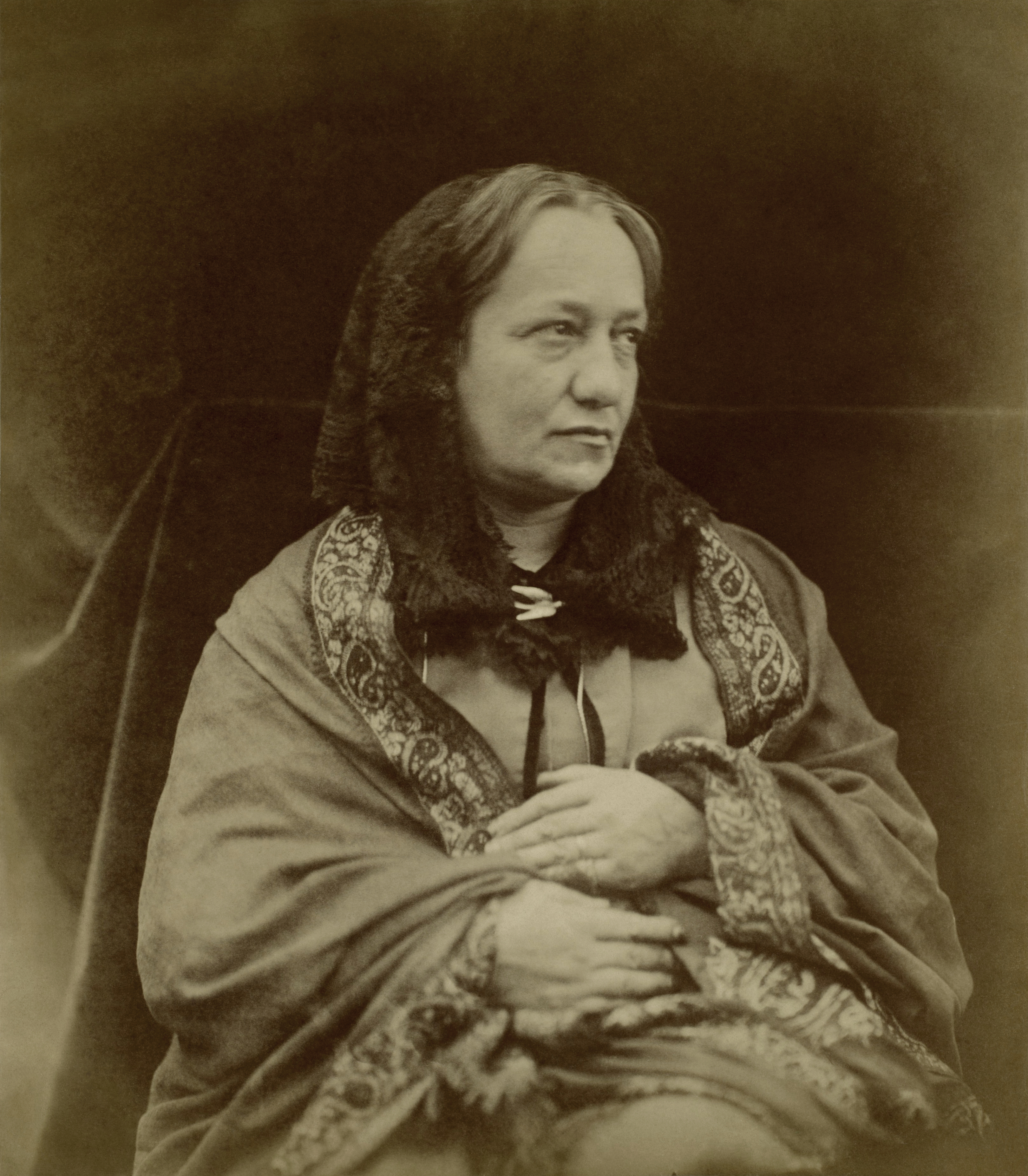
Probably the best known of the Pattle sisters, Julia Margaret Cameron

This is the current exhibition at the Watts Gallery at Compton near Guildford. This is the gallery of the paintings of George Frederick Watts, the famous Victorian painter. He lived nearby at his house called Limnerslease, with his wife Mary. He was a prolific portrait painter. He was also well known for allegorical subjects. His painting called Hope was featured on postage stamps and was also known as Barack Obama’s favourite painting. Likewise he often painted pictures with a social message

His wife Mary, also a painter, gave up painting to support her husband. She founded a pottery workshop in nearby Compton to give employment to local craftsmen. She is also known for building the nearby chapel with designs by her husband, generally regarded as an Art Nouveau masterpiece
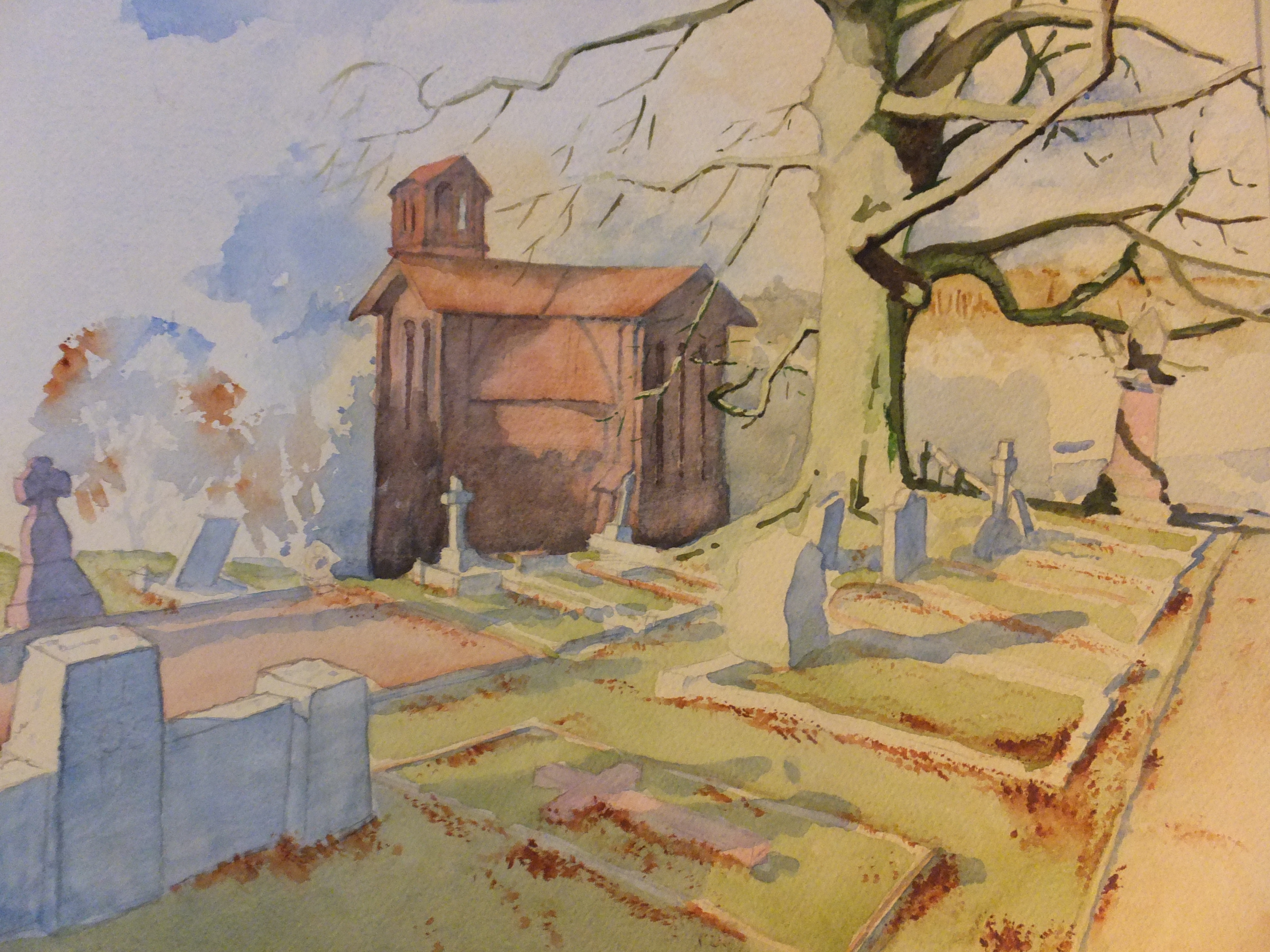
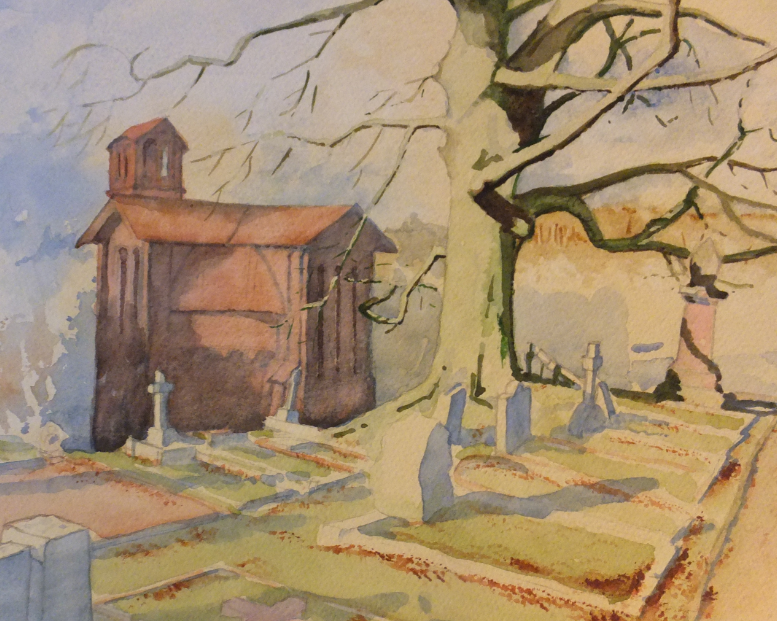
This is the painting of the Watts Chapel that I did once, built in brick and shaped like a Greek cross. The interior is beautifully designed in Arts and Crafts style. The bricks were made locally in Mary Watts works

The Pattle sisters were born in India, and became central figures British art and literary society. Born in Calcutta now Kolkata to James Peter Pattle, a civil servant, and Adeline Maria De l’Etang ,they received education in Paris and India.

Known for their beauty, intelligence and independent spirits they navigated complex social landscapes, bridging cultures and influencing Victorian high society and intellectual movements

George Frederick Watts was one of the prominent figures that they were connected with. There were seven sisters in all, and probaly the best known is Julia Margaret Cameron, the famous photographer, who lived on the Isle of wight for many years. Given a camera by her daughter, she became well known for her photographs of famous people, and also for the ability to capture subjects in a very soft light.

Maria Jackson (nee Pattle) was the mother of Julia Stephen who was mother to Virginia Woolf and Vanessa Bell, thus linking them to the Bloomsbury group

Pattledom was a term coined by Thackeray describing the sister’s powerful social network and bohemian lifestyle, blending Indian heritage with French education and English society

This exhibition is on until May, and well worth a visit if you are within striking distance of Compton

Btw. if you want to see more of my own paintings, they are listed also on my own website davidharmerwatercolour.co.uk. This website is a showcase rather than a shop, but enquiries are nevertheless welcome
Sir Brian May’s archive of spectroscopy at Watts Gallery near Guildford

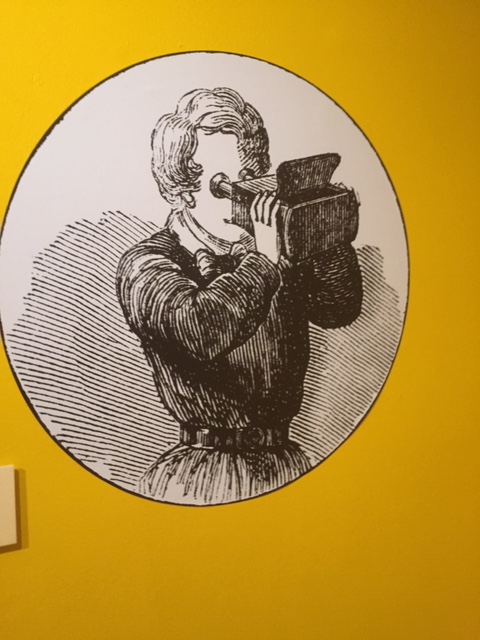
Illustration of boy using a spectroscope

This magnificent collection is on show at the Watts Gallery at Compton just south of Guildford

Watts Gallery, just to set the scene, is or was the gallery used by the famous Victorian portraitist George Frederick Watts. Not only known for his portraits but also his allegorical works, which often commented on the inequalities of the times he lived in. Plus ca change.. Many of his individual works became popular. A painting called Hope I believe is ex President Obama’s favourite painting. Today the gallery houses a considerable collection of his work, but other paintings of his are dotted around international galleries

Nearby is Limnerslease, the house he shared with is wife Mary. The house is open to visitors. Mary supported her husband in his work, but was famous in her own right for setting up manufacture of pottery locally to employ villagers from Compton and also to train them in producing items in clay. Many survive, especially terra cotta plaques for exterior work.

She also had built the magnificent chapel in the nearby cemetery. This was designed by her husband, and is a magnificent example of Art Nouveau design. I attach my own painting, as I don’t have a photograph. Actually I think my painting picked up the mood of the place especially on a winter’s morning

This special exhibition is housed in the main gallery

Sir Brian May started his collection as a boy with a freebie card out of a Weetabix packet. He sent for the viewer, and was amazed by the result in 3D. At the time as I remember, 3D was still high technology. He began taking his own pictures, and one of his father painting the ceiling is shown as an example. He took his pictures with a cheap camera from Woolworths. The name Woolworths has been consigned to history for some time, but it was the place to go for cheap goods. Quite tricky taking a second picture identical to the first, with the technology available at the time.

Having been hooked on the subject, he started collecting Victorian examples when he could find them at boot sales or auction houses. This was very much a Victorian pastime of course and many subjects were produced by card makers like Frith, covering famous names and places and many more

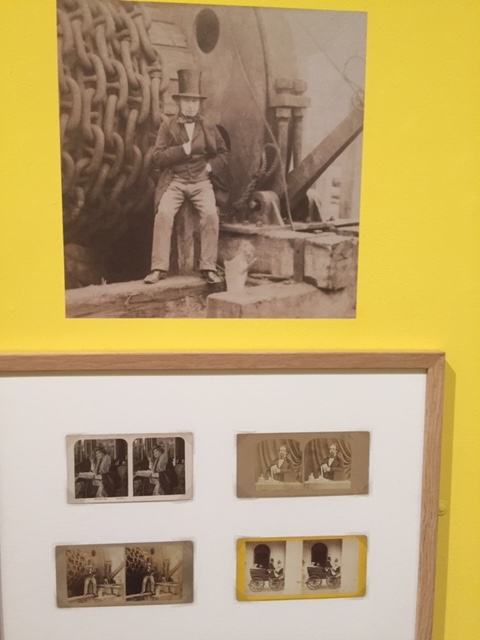
I attach a couple showing the iconic picture of Brunel the railway engineer, photographed alongside his famous steamship the Great Eastern. Also Charles Dickens preparing to deliver one of his readings,

A fascinating subject. I remember 3D as a boy, and being impressed looking at these cards through the viewer. There was also 3D cinema as well, although that was short lived as I remember, being replaced by new technology